Low Testosterone Signs Every Man Over 40 Should Recognize
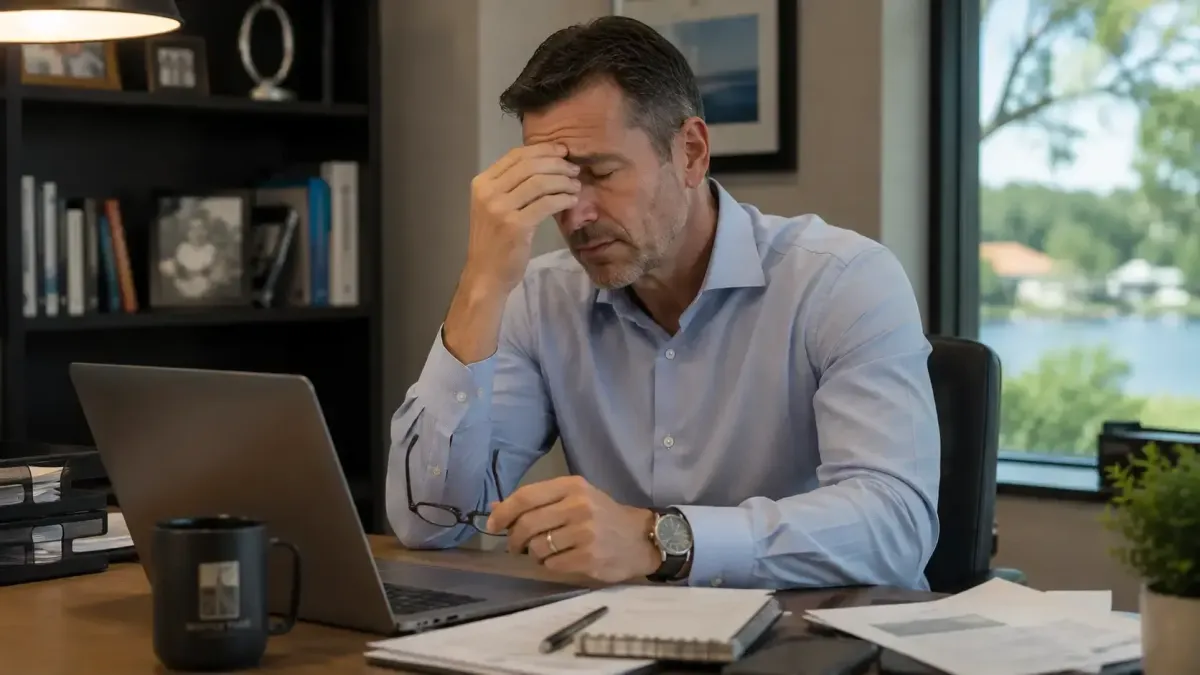
The successful business owner who used to attack each day with energy and focus now finds himself needing three cups of coffee just to feel alert. The executive who once dominated the gym struggles to build muscle despite consistent training. The professional who prided himself on his sharp mind notices his mental edge isn't quite what it used to be.
If this sounds familiar, you're not experiencing inevitable aging — you may be dealing with declining testosterone levels that affect millions of men over 40.
Research from the National Institute on Aging demonstrates that testosterone naturally declines with age, and men with symptomatic low testosterone can experience significant improvements in sexual function and mood when properly treated: https://www.nia.nih.gov/news/nih-supported-trials-test-hormonal-therapy-older-men-low-testosterone-levels
At Revival Longevity & Wellness in Winter Park, we've evaluated hundreds of men experiencing these changes. Most discover that what they assumed was "normal aging" is actually testosterone deficiency — a treatable medical condition that doesn't have to define their next decade of life.
The Hidden Signs of Low Testosterone
Low testosterone rarely announces itself with obvious symptoms. Instead, it creates a gradual erosion of vitality that many men dismiss as stress, poor sleep, or getting older. The challenge is that these changes often develop so slowly that you adapt to feeling suboptimal without realizing how much you've lost.
According to comprehensive research published in PMC, an international survey of over 10,000 men found that 80% showed moderate or severe symptoms consistent with testosterone deficiency, with many men in their 40s reporting significant symptoms when testosterone deficiency is not generally considered at younger ages: https://pmc.ncbi.nlm.nih.gov/articles/PMC3038589/
Physical Signs That Demand Attention
Energy levels that require constant management represent one of the most common early indicators of declining testosterone. You used to wake up ready to tackle challenging projects. Now you need strategic caffeine timing and afternoon willpower just to maintain focus through important meetings. The sustained energy that carried you through long days and demanding deadlines feels like something from the past.
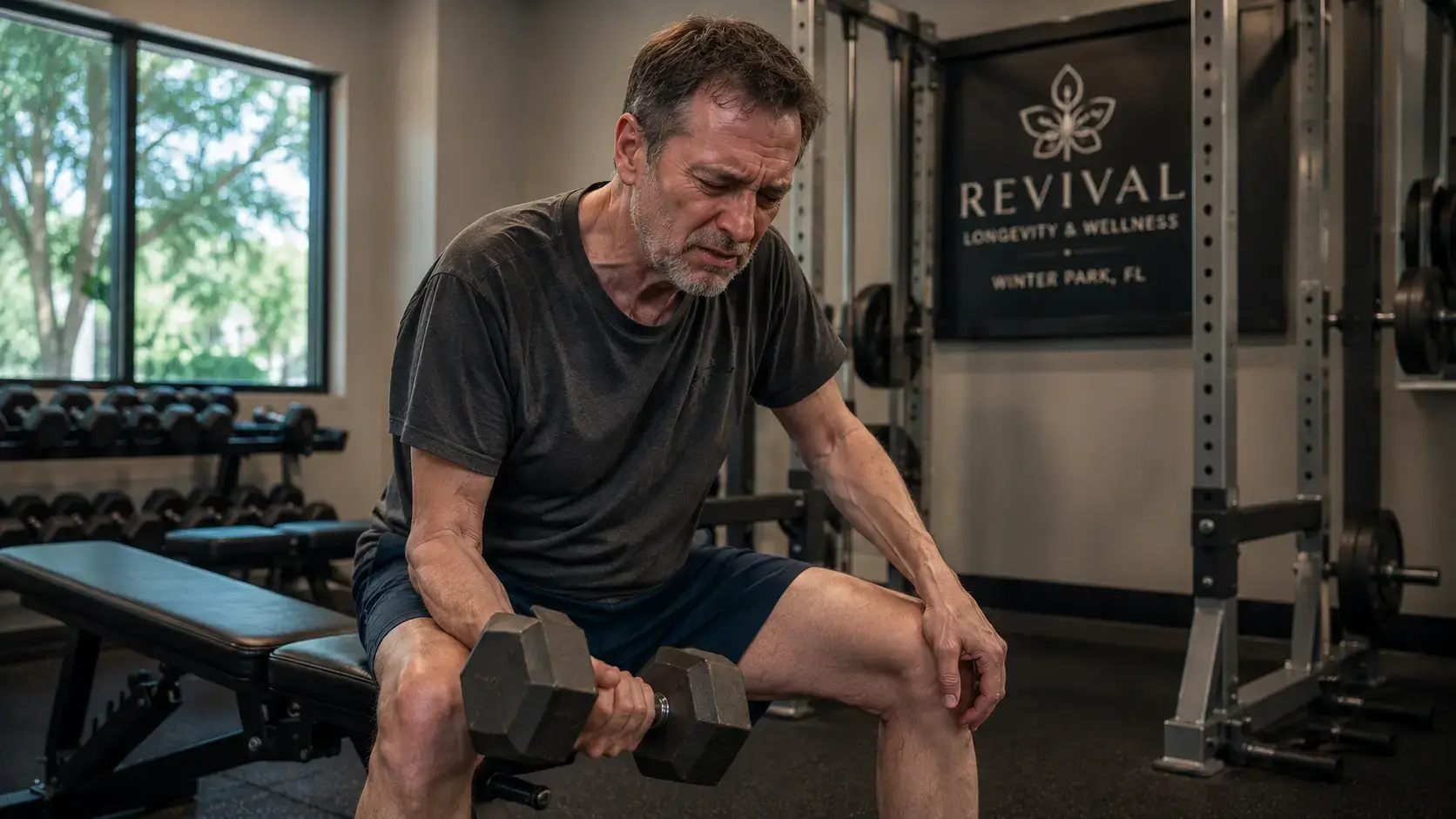
Muscle mass changes despite consistent effort signal potential hormonal issues. Your workout routine that used to produce noticeable strength and size gains now feels like you're spinning your wheels. Building muscle requires more effort and produces fewer results, while maintaining your current physique takes more work than it used to. The lean, athletic build you maintained easily in your 30s seems to require increasingly heroic efforts to preserve.
Body composition shifts that don't match your lifestyle can be particularly frustrating for health-conscious professionals. Despite eating similarly and exercising regularly, you're accumulating fat around your midsection and losing the lean appearance you maintained without conscious effort in earlier decades. Your clothes fit differently, and your body feels softer even when your weight hasn't changed dramatically.
Recovery patterns that have changed noticeably affect both athletic performance and daily resilience. Whether it's bouncing back from intense workouts, healing from minor injuries, or simply feeling rested after a full night's sleep, your body doesn't restore itself as efficiently as it once did. The quick recovery that used to characterize your physical resilience now requires more time and conscious effort.
Cognitive and Emotional Changes
Mental clarity that requires more effort represents a significant concern for professionals whose careers depend on sharp thinking. The quick decision-making and rapid information processing that defined your professional success now feels more challenging. You might find yourself needing to re-read emails to fully process information, or struggling to maintain attention during long meetings or complex projects.
Motivation patterns that feel different can be subtle but professionally significant. Tasks that used to energize you now require more willpower to initiate and sustain. The drive and ambition that fueled your career advancement feels muted, even when you're working on projects you care about. This isn't depression or burnout — it's a physiological change in the neurochemical systems that support motivation and goal-directed behavior.
Mood stability that isn't what it used to be affects both professional and personal relationships. Stress impacts you more than it previously did, and your emotional resilience feels diminished. Situations that wouldn't have significantly affected your equilibrium in the past now feel overwhelming or irritating. The even-tempered approach that served you well in leadership situations requires more conscious effort to maintain.
Memory and recall issues can be particularly concerning for professionals who pride themselves on mental sharpness. Names, details from previous conversations, or important information that you used to access effortlessly now sometimes feels just out of reach. This cognitive change can affect confidence in professional settings where quick recall and mental agility matter.
Sexual and Relationship Impact
Changes in libido and sexual function often serve as early warning signs of declining testosterone, but many men hesitate to discuss these symptoms even with their physicians. The impact extends beyond physical function to affect confidence, relationship dynamics, and overall quality of life.
Decreased sexual desire that doesn't match your relationship satisfaction can be confusing and concerning. You might love your partner and feel emotionally connected, but the spontaneous physical desire that used to be automatic now requires more conscious effort to access. This change can create anxiety about your relationship or your masculinity, even when the underlying cause is purely physiological.
Performance changes that create anxiety compound the problem by adding psychological stress to what may be primarily a hormonal issue. Erectile function that used to be reliable now feels unpredictable. The confidence you once felt in intimate situations might be replaced by worry about whether your body will respond the way you want it to.
Energy for intimacy that requires planning affects not just frequency but spontaneity in relationships. Even when desire is present, the physical and mental energy needed for satisfying intimate experiences might feel limited, especially after long days or stressful periods. This can create a cycle where decreased frequency leads to decreased interest, further impacting relationship satisfaction.
The landmark NIH Testosterone Trials showed that men with low testosterone who received treatment demonstrated improvements not just in sexual function, but also in mood and depressive symptoms compared to those who received placebo treatment: https://pubmed.ncbi.nlm.nih.gov/26886521/
Sleep and Recovery Patterns
Sleep quality changes often accompany declining testosterone levels, creating a cycle where poor sleep further suppresses hormone production. Many men notice that they don't feel as rested despite spending adequate time in bed, or that they wake up frequently during the night without obvious causes.
Morning energy that used to be automatic now requires conscious effort to achieve. The natural alertness and readiness to tackle the day that characterized your younger years now feels elusive. You might find yourself hitting the snooze button multiple times or feeling sluggish for the first few hours after waking, regardless of how early you went to bed.
Recovery from stress, whether physical or mental, takes longer than it used to. A challenging day at work, an intense workout, or even social activities that used to be energizing now leave you feeling depleted for extended periods. The resilience that allowed you to handle multiple stressors simultaneously feels diminished.
Why These Symptoms Matter
Many men dismiss these changes as inevitable consequences of age, busy schedules, or career stress. While these factors certainly contribute to how you feel, attributing everything to "normal aging" prevents you from addressing a potentially treatable medical condition that could significantly improve your quality of life.
The truth is that while testosterone does decline naturally with age, the rate and impact of that decline varies dramatically between individuals. Some men maintain robust testosterone levels and vitality well into their 60s and beyond, while others experience significant symptoms in their 40s or early 50s.
Your genetics, stress levels, body composition, sleep quality, exercise habits, and overall health all influence how quickly your testosterone declines and how severely those changes affect your daily life. But regardless of the contributing factors, low testosterone is a medical condition with effective treatment options available at revivallongevitywellness.com.
Getting the Right Evaluation
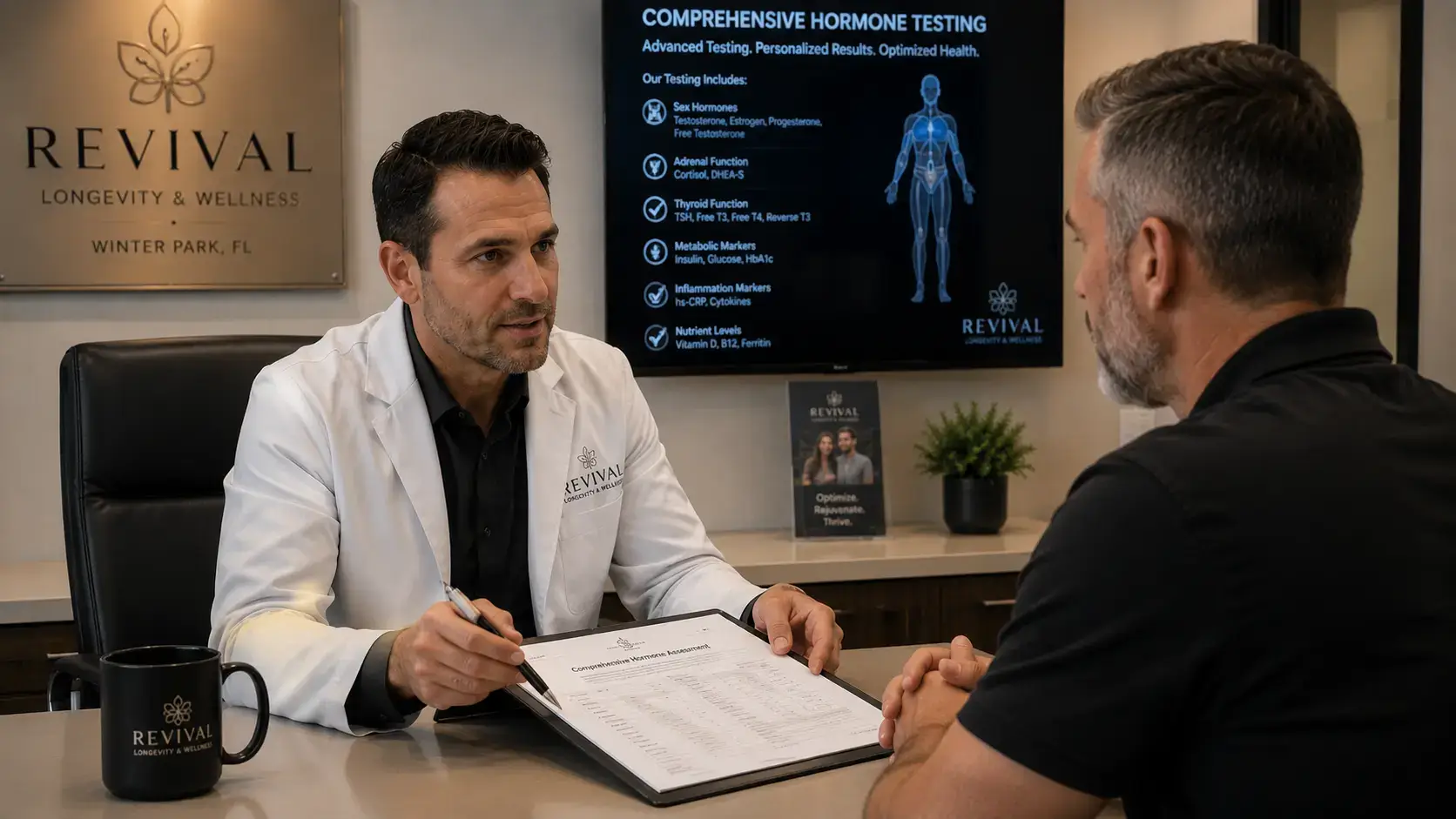
If you recognize several of these symptoms in your own experience, the next step isn't to accept them as inevitable — it's to get a comprehensive hormone evaluation from a physician who understands optimization, not just disease markers.
At Revival Longevity & Wellness, our hormone panels go far beyond the basic testosterone check that most primary care providers order. We evaluate free testosterone, total testosterone, estradiol, DHEA-S, comprehensive thyroid function, cortisol patterns, and other markers that influence how you feel and function day to day.
More importantly, we're not looking for "normal for your age" — we're looking for optimal levels that support the energy, mental clarity, physical capability, and overall vitality you need to thrive in your professional and personal life. Learn more about our comprehensive approach at revivallongevitywellness.com/services.
The Path Forward
Recognition of low testosterone symptoms is the first step toward reclaiming the energy, mental clarity, and physical vitality that may have gradually slipped away. The men who achieve the best results are those who address these changes proactively rather than waiting for symptoms to become severe or accepting diminished function as inevitable.
Modern testosterone replacement therapy, when properly administered and monitored, can restore hormone levels to optimal ranges and help you feel like yourself again. The goal isn't to achieve unrealistic standards or chase fountain-of-youth promises — it's to support your body's natural function so you can maintain the performance and vitality your professional and personal life demands.
Frequently Asked Questions
What are normal testosterone levels for men my age?
Normal testosterone levels vary by age, but most laboratories consider 300-1000 ng/dL normal for adult men. However, optimal levels for energy, performance, and vitality are often higher than just 'normal.' We focus on optimizing your testosterone to levels that support your individual goals and quality of life.
How much does testosterone therapy cost in Winter Park?
Testosterone optimization costs vary based on treatment type and monitoring requirements. We offer comprehensive packages including testing, treatment, and follow-up care. Many Winter Park professionals find the improvements in energy, performance, and quality of life provide excellent return on investment.
What are the side effects of testosterone therapy?
When properly monitored, testosterone therapy side effects are typically minimal. Potential considerations include changes in cholesterol, blood cell counts, or prostate markers, which is why we provide comprehensive monitoring and adjustment protocols to ensure safety and effectiveness.
How quickly will I notice improvements from testosterone therapy?
Most men begin noticing improvements in energy and mood within 2-4 weeks of starting testosterone therapy. Physical changes like increased muscle mass and improved body composition typically develop over 3-6 months of consistent treatment.
Can testosterone therapy help with weight loss?
Optimized testosterone levels can significantly support weight loss by increasing muscle mass, improving metabolic rate, and enhancing exercise performance. Many men find weight management becomes much easier once testosterone levels are optimized.
Is testosterone therapy safe for men with heart conditions?
Recent research suggests that optimized testosterone levels may actually support cardiovascular health in many men. However, any underlying heart conditions require careful evaluation and monitoring. We work with your cardiologist when necessary to ensure safe treatment.
What's the difference between testosterone injections, gels, and pellets?
Each delivery method has advantages. Injections provide precise dosing and cost-effectiveness. Gels offer convenience and steady levels. Pellets provide long-acting convenience with fewer applications. We help you choose the method that best fits your lifestyle and preferences.
Ready to find out whether low testosterone is affecting your quality of life? Contact Revival Longevity & Wellness to schedule your comprehensive hormone evaluation. You don't have to accept feeling like a diminished version of yourself.
For more comprehensive information about hormone therapy options, read our complete guide to hormone therapy in Winter Park: https://revivallongevitywellness.com/post/hormone-therapy-winter-park-professional-guide
