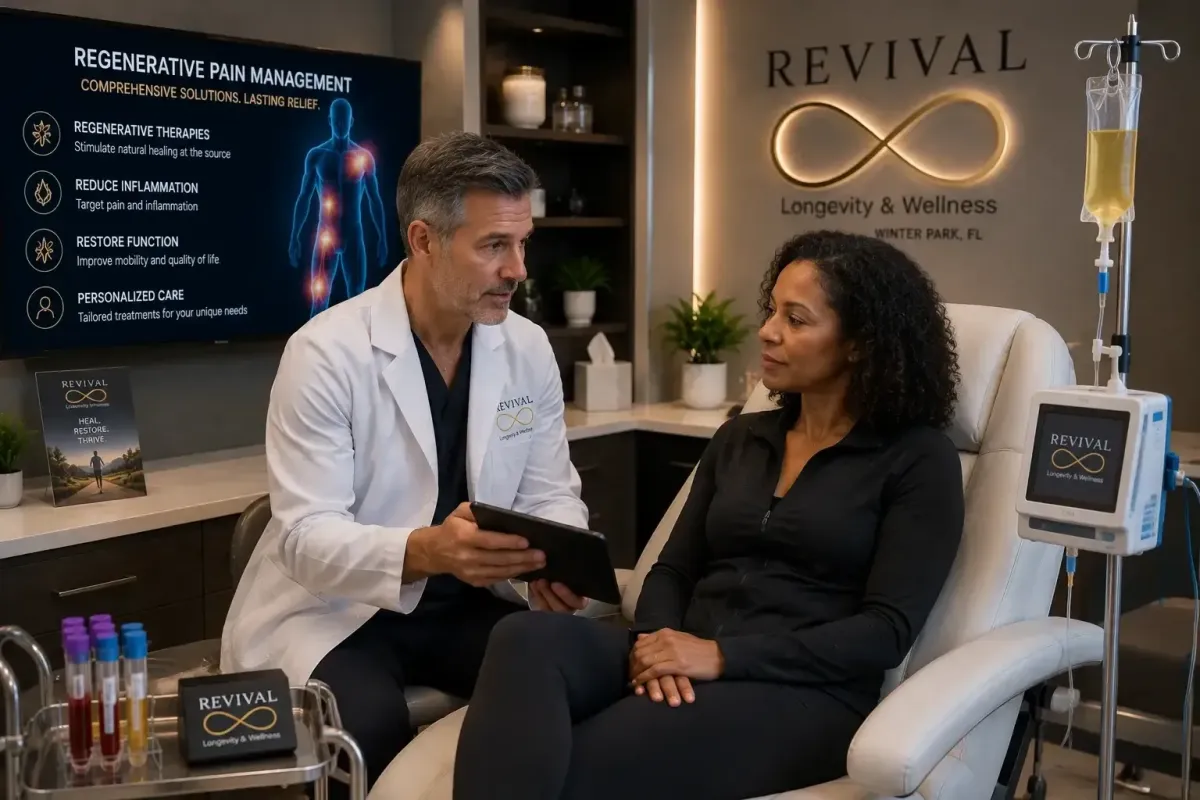
Regenerative Pain Management in Winter Park: Beyond Symptom Relief
The Winter Park professional who has always prided himself on pushing through challenges now faces a different kind of obstacle—chronic pain that no amount of determination can overcome. What started as occasional discomfort has evolved into persistent pain that affects concentration during important meetings, disrupts sleep needed for peak performance, and threatens to limit the active lifestyle that has always been both stress relief and competitive advantage.
Traditional pain management approaches have provided only temporary relief at best. Medications offer brief respite but come with side effects and dependency concerns that don't align with maintaining professional clarity and performance. Steroid injections provide temporary improvement but seem to offer diminishing returns over time.
At Revival Longevity & Wellness in Winter Park, we've pioneered regenerative pain management approaches that go beyond simply masking symptoms to actually address and repair the underlying tissue damage and dysfunction that causes chronic pain.
Regenerative pain management represents a fundamental shift from traditional approaches that focus on symptom suppression to treatments that stimulate healing and repair of damaged tissues. This approach offers Winter Park professionals hope for lasting pain relief without the limitations and side effects associated with conventional pain management.
Extensive research published in PMC demonstrates that stem cell therapy shows significant promise for pain management across multiple conditions, including neuropathic, osteoarthritis, and musculoskeletal pain, with mechanisms that address both tissue repair and pain signal modulation: https://pmc.ncbi.nlm.nih.gov/articles/PMC8445610/
Understanding how regenerative approaches work to address chronic pain, which conditions benefit most from these treatments, and what realistic outcomes you can expect provides the foundation for making informed decisions about your pain management strategy.
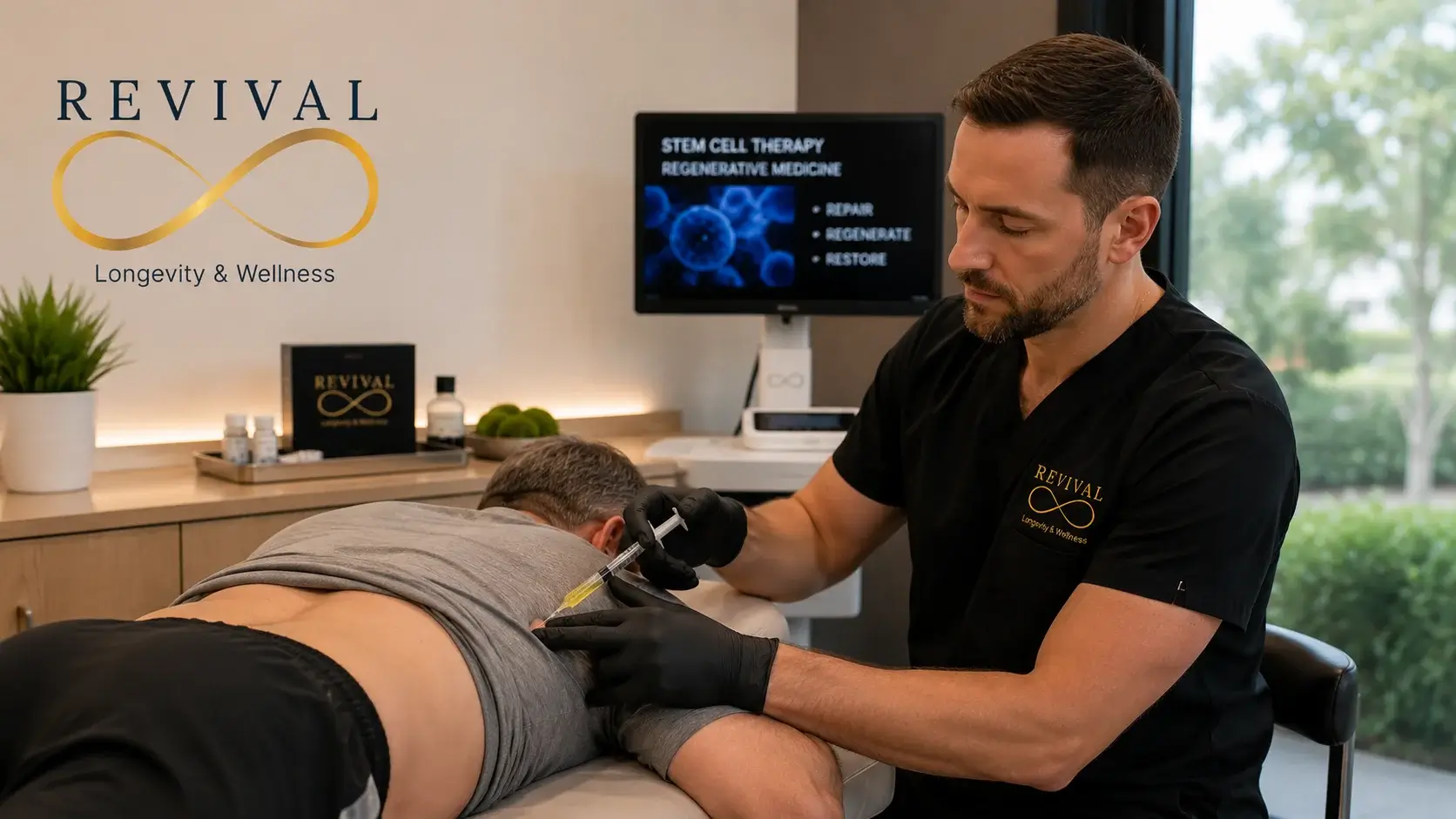
Understanding Chronic Pain and Regenerative Solutions
Chronic pain affects millions of professionals and represents far more than simple discomfort. It involves complex interactions between damaged tissues, inflammatory processes, and nervous system changes that can perpetuate pain signals even when the original injury has healed.
Traditional understanding of chronic pain has focused primarily on blocking pain signals through medications or procedures that interrupt nerve transmission. While these approaches can provide relief, they don't address the underlying tissue damage or inflammatory processes that generate pain signals in the first place.
Regenerative pain management takes a different approach by targeting the root causes of chronic pain. Rather than simply blocking pain signals, regenerative treatments aim to repair damaged tissues, reduce pathological inflammation, and restore normal tissue function that eliminates the source of pain generation.
The mechanisms behind chronic pain often involve ongoing tissue damage or dysfunction that continuously generates inflammatory signals and pain impulses. This might include degenerating joint cartilage, damaged tendons or ligaments, inflamed nerves, or dysfunctional tissue healing that creates persistent inflammatory states.
Regenerative approaches work by introducing stem cells, growth factors, and other bioactive substances that can repair damaged tissues, reduce pathological inflammation, restore normal cellular function, and promote healthy tissue regeneration that eliminates pain sources.
For Winter Park professionals, regenerative pain management offers several compelling advantages over conventional approaches. Treatment addresses underlying causes rather than just masking symptoms, avoiding the cognitive effects and dependency risks of pain medications while potentially providing longer-lasting relief.
The outpatient nature of most regenerative treatments means minimal disruption to work schedules and professional responsibilities. Many procedures can be performed during extended lunch breaks, with patients returning to work the same day or after minimal recovery periods.
Most importantly, successful regenerative pain management often enables return to activities and performance levels that had been limited by chronic pain, restoring both professional capability and personal quality of life.
Stem Cell Therapy for Chronic Pain Conditions
Stem cell therapy represents the most advanced regenerative approach for chronic pain management, offering the potential to actually repair the damaged tissues and dysfunctional cellular environments that generate persistent pain signals.
Mesenchymal stem cells used in pain management can be harvested from your own adipose tissue or bone marrow, ensuring perfect compatibility while providing remarkable regenerative and anti-inflammatory potential. These cells work through multiple mechanisms to address chronic pain.
The pain-relieving mechanisms of stem cell therapy include direct tissue repair and regeneration that eliminates sources of pain signals, powerful anti-inflammatory effects that reduce pathological inflammation, neuroprotective effects that may help restore normal nerve function, and modulation of immune responses that contribute to chronic pain states.
Clinical applications for stem cell pain management include chronic joint pain from osteoarthritis or other degenerative conditions, persistent back pain from disc degeneration or spinal conditions, chronic tendon or ligament pain that hasn't responded to conventional treatments, neuropathic pain conditions, and complex regional pain syndrome.
Research published in PMC reveals that mesenchymal stem cells can create repair microenvironments that reduce pain and halt disease progression, with transplanted cells expressing genes that enhance tissue repair and produce anti-inflammatory and analgesic proteins: https://pmc.ncbi.nlm.nih.gov/articles/PMC8445610/
The stem cell procedure for pain management typically involves harvesting stem cells through a minimally invasive fat extraction or bone marrow aspiration, processing and concentrating the cells using specialized laboratory techniques, and injecting the concentrated stem cells directly into pain-generating tissues under imaging guidance.
Recovery from stem cell pain management procedures is generally minimal. Most Winter Park professionals can return to work within a few days, though some activity modifications may be recommended during the initial healing period.
Treatment outcomes often develop gradually over weeks to months as regenerative processes continue. Many patients begin experiencing pain relief within the first few weeks, with continued improvement over 3-6 months as tissue repair and regeneration progress.
Patient selection for stem cell pain management considers the underlying cause and duration of chronic pain, previous treatments attempted and their effectiveness, overall health status and healing capacity, realistic expectations for pain relief and functional improvement, and commitment to complementary treatments that support healing.
PRP Therapy for Pain Relief and Healing
Platelet-rich plasma therapy offers an effective regenerative approach for many chronic pain conditions, particularly those involving soft tissue damage, inflammatory components, and impaired healing processes that contribute to persistent pain.
PRP works by concentrating the platelets and growth factors from your own blood and delivering them directly to pain-generating tissues. These concentrated healing factors can stimulate repair processes while reducing inflammation and promoting healthy tissue function.
The pain-relieving mechanisms of PRP include delivery of growth factors that promote tissue repair and regeneration, anti-inflammatory effects that reduce pathological inflammation contributing to pain, enhancement of natural healing processes in damaged tissues, and stimulation of healthy cellular function in pain-generating areas.
Clinical applications where PRP shows effectiveness for pain management include chronic tendon pain (tennis elbow, Achilles tendinitis, etc.), joint pain from early-stage arthritis, chronic muscle pain and trigger points, nerve pain conditions that may benefit from tissue repair, and post-injury pain that hasn't resolved with conventional treatment.
The PRP procedure for pain management is straightforward and can often be completed during a lunch break. Blood is drawn, processed to concentrate platelets and growth factors, and injected into pain-generating tissues under ultrasound or other imaging guidance for precise placement.
Recovery from PRP pain management is typically minimal, with most patients returning to normal activities within 1-2 days. Some temporary increase in pain may occur in the first 24-48 hours as the healing process is stimulated.
Treatment timelines for PRP pain management often show initial improvements within 2-4 weeks, with continued pain relief and functional improvement over 6-12 weeks. Some patients benefit from additional PRP treatments spaced several weeks apart for optimal results.
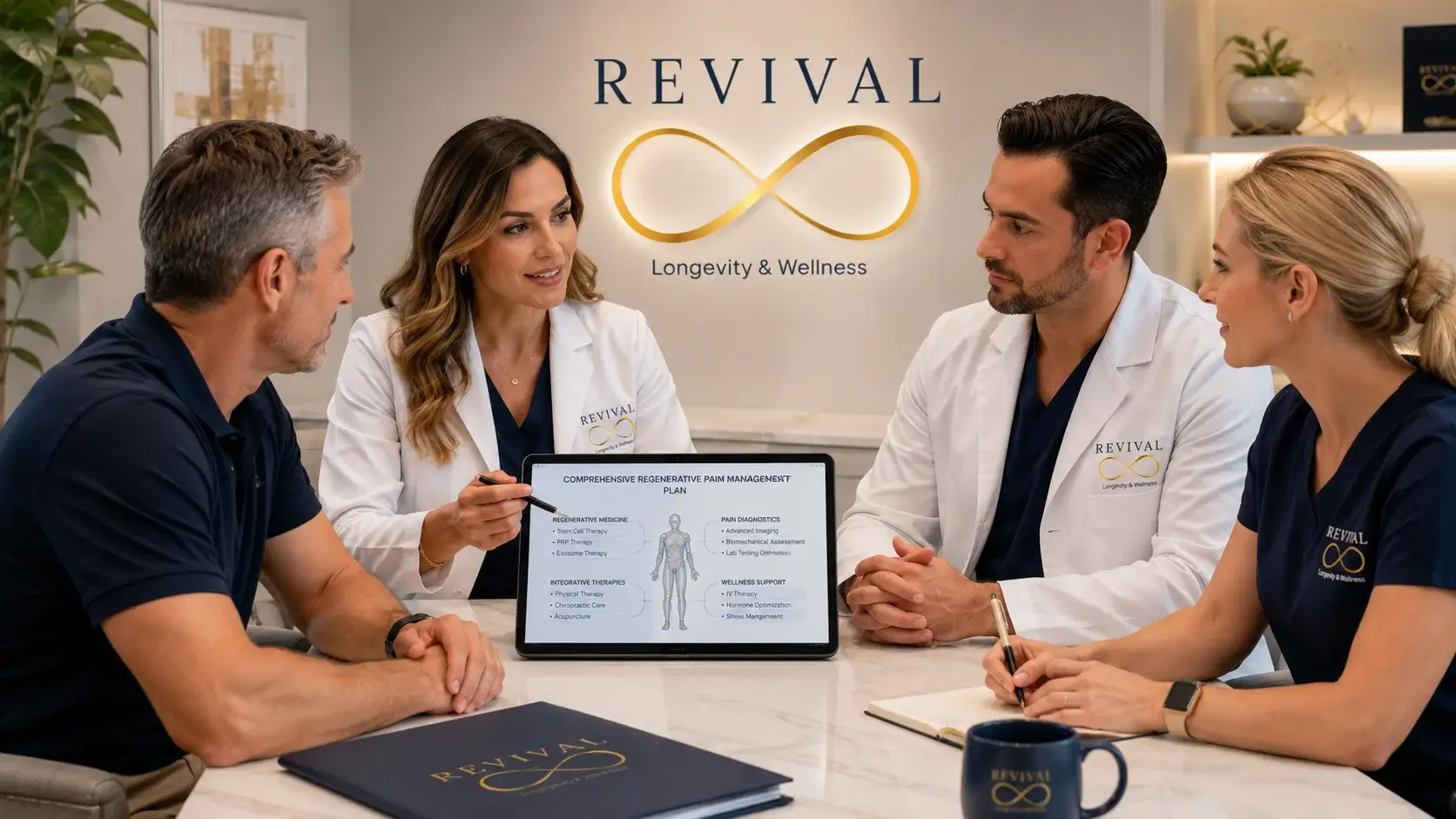
Comprehensive Pain Management Protocols
The most effective regenerative pain management results from comprehensive protocols that integrate regenerative treatments with complementary approaches addressing all factors that contribute to chronic pain and healing dysfunction.
Nutritional optimization supports pain management and tissue healing through targeted anti-inflammatory nutrients, compounds that support nerve health and function, nutrients that enhance cellular repair and regeneration, and dietary approaches that reduce systemic inflammation.
Strategic rehabilitation and movement therapy maximize regenerative treatment benefits while addressing movement dysfunctions that may contribute to chronic pain. Properly designed exercise and movement programs can enhance healing while preventing pain recurrence.
Stress management and psychological support address the psychological components of chronic pain while reducing stress-related inflammation that can interfere with healing. Chronic pain often involves complex interactions between physical and psychological factors.
Sleep optimization supports healing processes and reduces inflammatory factors that can worsen chronic pain. Poor sleep quality can significantly impair tissue repair and pain recovery, while good sleep enhances regenerative treatment effectiveness.
Advanced monitoring and follow-up ensure that pain management progresses appropriately and identify opportunities for protocol optimization. Regular assessments track improvements in pain levels, functional capacity, and quality of life.
Activity modification and pacing strategies help manage chronic pain while allowing regenerative treatments to work optimally. This involves finding the right balance between activity and rest that supports healing without exacerbating pain.
For comprehensive information about our regenerative pain management services, explore our joint restoration and pain management programs at revivallongevitywellness.com/services/joint-restoration.
Addressing Specific Chronic Pain Conditions
Different types of chronic pain benefit from specific regenerative approaches tailored to the underlying mechanisms and tissue types involved. Understanding how regenerative treatments apply to various pain conditions helps ensure optimal treatment selection.
Chronic joint pain from arthritis or other degenerative conditions often responds well to stem cell therapy that can potentially regenerate damaged cartilage while reducing inflammation. PRP therapy may be effective for early-stage joint problems.
Chronic back pain from disc degeneration, facet joint problems, or soft tissue dysfunction may benefit from targeted regenerative treatments that address the specific structures involved. Treatment selection depends on accurate diagnosis of pain generators.
Persistent tendon and ligament pain from overuse injuries, incomplete healing, or degenerative changes often responds excellently to PRP therapy, with stem cell therapy offering additional options for more severe or chronic cases.
Neuropathic pain conditions may benefit from regenerative approaches that support nerve healing and reduce inflammation around nerve structures. Some chronic pain conditions involve nerve dysfunction that may be addressed through tissue repair.
Complex regional pain syndrome and other centralized pain conditions present unique challenges that may require combinations of regenerative treatments with other comprehensive pain management approaches.
The key to successful treatment lies in accurate diagnosis of the underlying pain mechanisms and selection of regenerative approaches most likely to address those specific factors.
Long-term Pain Management and Prevention
Regenerative pain management provides an opportunity not only to address current chronic pain but also to establish long-term strategies for pain prevention and optimal function throughout your career and beyond.
Maintenance protocols may include periodic regenerative treatments to maintain tissue health, ongoing lifestyle modifications that prevent pain recurrence, stress management strategies that reduce pain-promoting inflammation, and activity optimization that supports continued function without pain provocation.
Prevention strategies focus on identifying and addressing factors that contribute to chronic pain development before they become problematic. This might include ergonomic optimization, movement pattern corrections, and early intervention for developing problems.
Performance enhancement through pain elimination often allows return to activities and performance levels that had been limited by chronic pain. Many Winter Park professionals find that effective pain management enables them to resume full professional and personal activities.
The integration of regenerative pain management with comprehensive health optimization creates benefits for overall wellbeing and life satisfaction. Elimination of chronic pain often improves sleep, mood, energy, and overall quality of life.
Your Regenerative Pain Management Journey
Beginning regenerative pain management represents an investment in reclaiming the comfort and function needed for both professional success and personal satisfaction. At Revival Longevity & Wellness, we provide comprehensive care to achieve optimal pain relief outcomes.
Comprehensive evaluation begins with thorough assessment of your pain condition and its underlying causes, functional limitations and goals, previous treatments and their effectiveness, overall health factors that influence healing, and realistic expectations for pain relief and functional improvement.
Personalized treatment planning integrates evaluation findings with your specific needs to develop regenerative protocols that maximize pain relief while accommodating professional and personal demands.
Ongoing support throughout your treatment includes monitoring pain levels and functional improvements, adjusting protocols as needed for optimal results, and providing guidance for maintaining pain relief through complementary approaches.
Long-term pain management partnership extends beyond initial treatment to include strategies for maintaining pain relief, preventing pain recurrence, and accessing emerging treatments as they become available.
For Winter Park professionals who have struggled with chronic pain that limits both professional performance and personal activities, regenerative pain management offers evidence-based hope for lasting relief and restored function.
Ready to explore how regenerative medicine can address your chronic pain and restore your quality of life? Contact Revival Longevity & Wellness to schedule your comprehensive pain evaluation and discover the regenerative treatments that can help you achieve lasting pain relief.
Frequently Asked Questions
How does regenerative pain management differ from traditional pain treatment?
Regenerative pain management focuses on promoting actual tissue healing and addressing root causes of pain, while traditional pain management often focuses on symptom relief through medications or procedures that don't promote healing.
What types of chronic pain can regenerative medicine address?
Regenerative medicine can address various chronic pain conditions including joint pain, tendon injuries, ligament damage, muscle injuries, neuropathic pain, and pain from degenerative conditions affecting various body parts.
Is regenerative pain management safe for long-term use?
Regenerative therapies generally have excellent safety profiles for repeated use since they work by enhancing your body's natural healing processes rather than suppressing symptoms with potentially harmful medications.
How long do results last from regenerative pain treatments?
Results duration varies based on condition treated, treatment type, and individual healing capacity. Many patients experience lasting pain relief as tissues actually heal, rather than temporary symptom masking.
Can regenerative therapy help reduce my dependence on pain medications?
Many patients find they can reduce or eliminate pain medications as regenerative treatments address underlying tissue damage causing pain. This transition should always be managed carefully under medical supervision.
How do you determine the best regenerative approach for my pain?
Treatment selection is based on comprehensive evaluation of your pain condition, medical history, diagnostic imaging, and treatment goals. We customize approaches to address your specific pain generators and healing needs.
Can regenerative pain management be combined with other treatments?
Yes, regenerative therapies often work well in combination with physical therapy, appropriate medications, lifestyle modifications, and other complementary approaches to provide comprehensive pain management.
For detailed consultation and personalized treatment planning, visit revivallongevitywellness.com/consultation.
For comprehensive information about regenerative joint health and how pain management fits into complete wellness optimization, read our complete guide at revivallongevitywellness.com/post/stem-cell-therapy-joint-pain-winter-park
