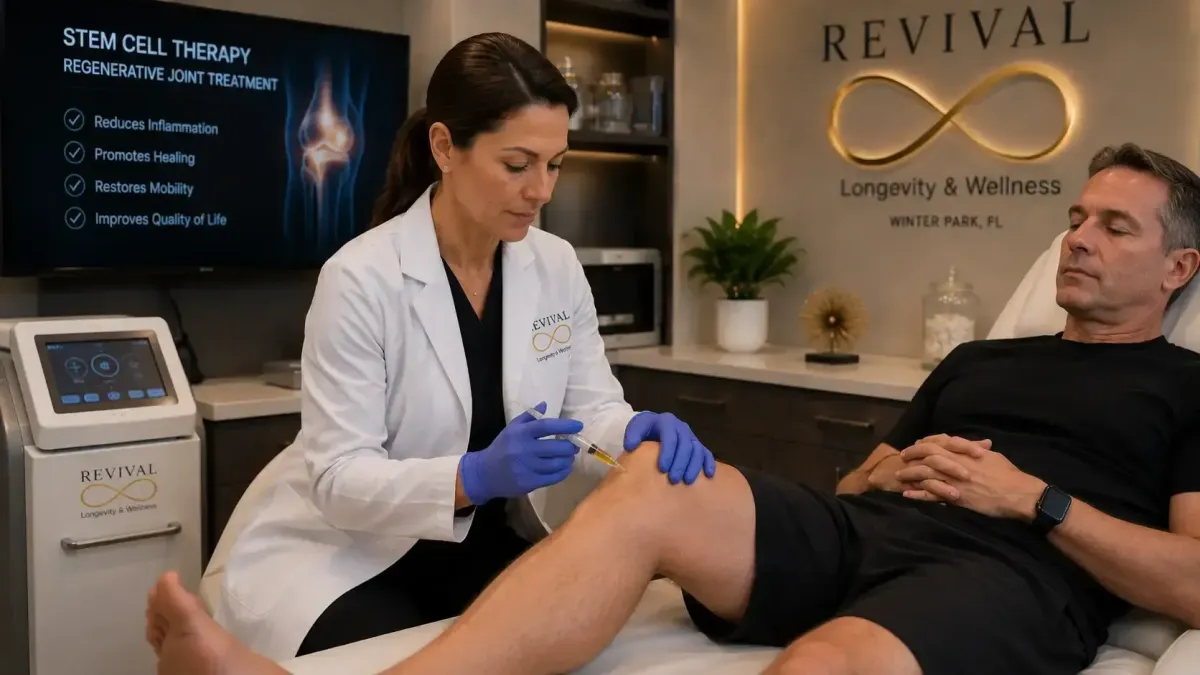
Regenerative Joint Health in Winter Park: Stem Cell Therapy for Pain Relief
The Winter Park business executive who built his career through decisive action and strategic thinking now faces a different kind of challenge — chronic knee pain that threatens to limit his active lifestyle and compromise the physical vitality he's maintained throughout a demanding professional life. Traditional treatments offer temporary relief at best, while surgical options carry risks and recovery periods that could sideline him for months.
At Revival Longevity & Wellness in Winter Park, we're witnessing a revolution in joint health through regenerative medicine approaches that harness your body's own healing mechanisms to repair damaged tissues and restore function. Stem cell therapy and other regenerative treatments offer hope for professionals who refuse to accept that joint pain and mobility limitations are inevitable consequences of aging.
The field of regenerative joint medicine has evolved dramatically over the past decade, moving from experimental treatments to evidence-based therapies supported by rigorous clinical research. Recent studies published in PMC demonstrate that stem cell therapy shows significant promise for managing neuropathic, osteoarthritis, and musculoskeletal pain, offering new hope for patients who haven't found relief through conventional approaches: https://pmc.ncbi.nlm.nih.gov/articles/PMC8445610/
For Winter Park professionals who demand the most advanced and effective treatments available, understanding the science behind regenerative joint health, the current evidence for various approaches, and how to access these cutting-edge therapies has become essential knowledge for maintaining long-term mobility and quality of life.
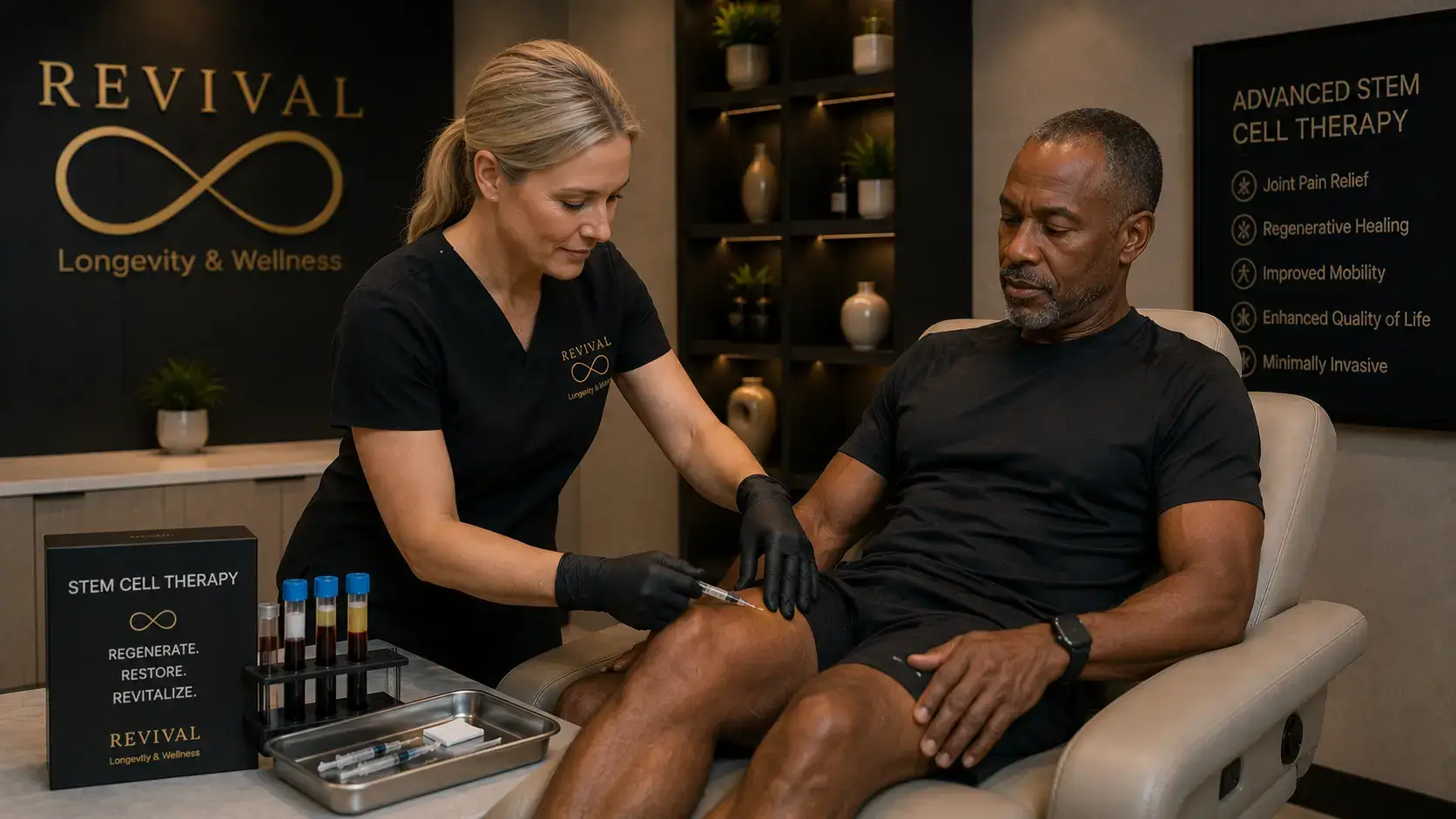
Understanding Regenerative Joint Medicine
Regenerative medicine represents a fundamental shift from treating symptoms to actually repairing and restoring damaged tissues. Rather than simply managing pain with medications or replacing joints with artificial components, regenerative approaches aim to stimulate your body's natural healing processes to rebuild cartilage, reduce inflammation, and restore function.
The science behind regenerative joint medicine is based on the understanding that many joint problems result from the body's decreased ability to repair tissues as we age. Young, healthy joints have robust healing mechanisms that can repair minor damage and maintain optimal function. However, aging, injury, and chronic stress can overwhelm these natural repair processes, leading to progressive deterioration and pain.
Stem cell therapy works by introducing specialized cells that can differentiate into cartilage, bone, and other joint tissues while also secreting growth factors and other bioactive substances that promote healing. These cells can be harvested from your own body — typically from fat tissue or bone marrow — ensuring compatibility and reducing the risk of immune reactions.
Platelet-rich plasma (PRP) therapy utilizes your body's own healing components by concentrating platelets and growth factors from your blood and injecting them directly into damaged joint areas. These concentrated healing factors stimulate tissue repair, reduce inflammation, and promote the regeneration of healthy joint structures.
The advantage of regenerative approaches lies in their ability to address underlying tissue damage rather than simply masking symptoms. While anti-inflammatory medications provide temporary relief and joint replacement surgery offers mechanical solutions, regenerative treatments aim to restore your body's natural joint function and healing capacity.
For Winter Park professionals, this represents a particularly attractive option because regenerative treatments typically involve minimal downtime compared to surgery, can be performed as outpatient procedures, and may provide long-lasting improvements that support continued active lifestyles and professional demands.
Current research published in PMC reveals that the clinical trial landscape for stem cell therapies in osteoarthritis is expanding globally, with studies showing potential benefits for pain and function, though continued research is needed to optimize protocols and patient selection: https://www.ncbi.nlm.nih.gov/pmc/articles/PMC12913396/
The Stem Cell Therapy Advantage
Stem cell therapy represents the most advanced and promising approach to regenerative joint health currently available to Winter Park patients. These remarkable cells possess the unique ability to develop into various types of tissues while also secreting powerful healing factors that can transform the joint environment from one of inflammation and deterioration to one of repair and regeneration.
Mesenchymal stem cells (MSCs), the type most commonly used for joint therapy, can be harvested from your own adipose (fat) tissue or bone marrow through minimally invasive procedures. These autologous stem cells ensure perfect compatibility with your body while providing the regenerative potential needed for joint repair.
The mechanism of action involves multiple complementary processes. Stem cells can differentiate directly into chondrocytes (cartilage cells), osteoblasts (bone cells), and other joint tissues, contributing to structural repair. Perhaps more importantly, they release growth factors, anti-inflammatory compounds, and other bioactive molecules that create an optimal healing environment.
Clinical evidence continues to accumulate supporting stem cell therapy's effectiveness for joint pain. Research published in PMC demonstrates that mesenchymal stem cells show remarkable ability to create repair microenvironments that reduce pain and halt disease progression, with transplanted cells expressing genes that enhance collagen synthesis and produce anti-inflammatory proteins: https://pmc.ncbi.nlm.nih.gov/articles/PMC10298392/
For Winter Park professionals, stem cell therapy offers several distinct advantages over traditional treatments. The procedures are typically performed as same-day outpatient treatments with minimal recovery time. Most patients can return to work within a few days and gradually resume full activities as healing progresses.
The safety profile of autologous stem cell therapy is excellent, with minimal risk of adverse reactions since you're receiving your own cells. Side effects are generally limited to mild discomfort at the injection site and possible temporary swelling, which resolves within days.
Long-term outcomes from stem cell therapy often show sustained improvements that can last years, potentially delaying or eliminating the need for more invasive surgical interventions. This makes it particularly valuable for younger professionals who want to preserve their natural joints as long as possible.
The regenerative effects of stem cell therapy may also provide protective benefits for joint health beyond treating current problems. By enhancing the joint's natural repair mechanisms, stem cell therapy may help prevent future deterioration and maintain optimal function throughout aging.
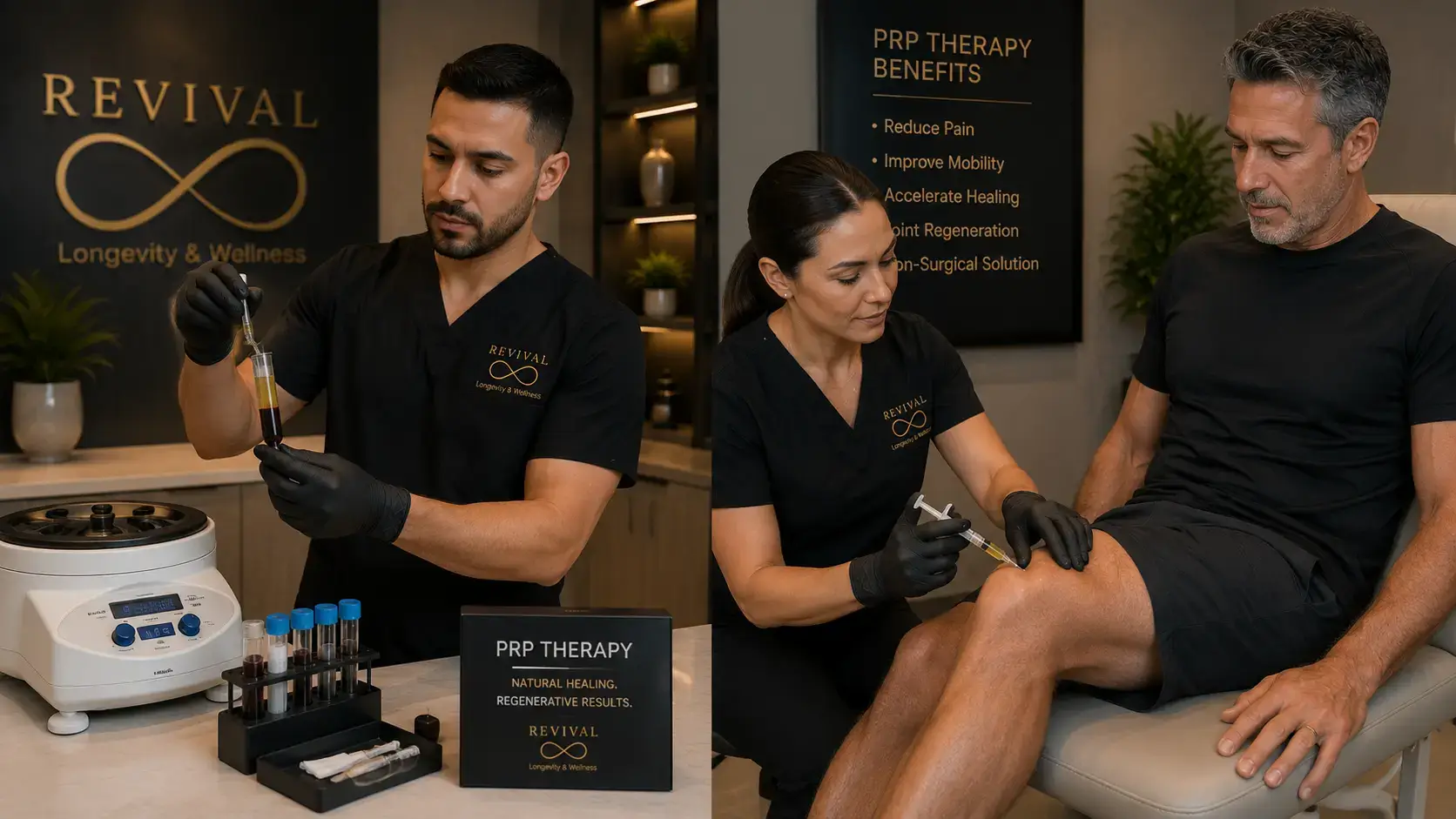
Platelet-Rich Plasma: Your Body's Healing Concentrate
Platelet-rich plasma therapy offers another powerful regenerative approach that harnesses your body's natural healing mechanisms. PRP involves drawing a small amount of your blood, processing it to concentrate the platelets and growth factors, and then injecting this concentrated healing solution directly into damaged joint areas.
Platelets contain numerous growth factors and bioactive proteins that play crucial roles in tissue healing and regeneration. When concentrated through PRP processing, these healing factors can reach levels 3-7 times higher than normal blood, creating a potent therapeutic solution that can stimulate repair processes.
The growth factors in PRP include platelet-derived growth factor (PDGF), transforming growth factor-beta (TGF-β), vascular endothelial growth factor (VEGF), and many others that promote cell proliferation, angiogenesis (new blood vessel formation), and tissue regeneration.
PRP therapy is particularly effective for tendon injuries, ligament damage, and early-stage arthritis where tissue damage hasn't progressed to advanced stages. The concentrated growth factors can stimulate the body's natural repair processes while reducing inflammation and promoting healthy tissue formation.
The procedure is relatively simple and can be completed in under an hour. Blood is drawn from your arm, processed in a centrifuge to separate and concentrate the platelets, and then injected into the affected joint or tissue under ultrasound guidance for precise placement.
For Winter Park professionals, PRP therapy offers an excellent option for addressing joint problems in their early stages before they progress to require more intensive interventions. The minimal downtime and excellent safety profile make it particularly attractive for busy executives who can't afford extended recovery periods.
PRP therapy can be used alone or in combination with other regenerative treatments. Some protocols combine PRP with stem cell therapy to provide both immediate growth factor stimulation and longer-term regenerative potential from stem cell activity.
Recent research published by the Arthritis Foundation demonstrates that regenerative medicine approaches like PRP are being extensively studied at major medical centers, with researchers conducting clinical trials to optimize treatment protocols and identify the best candidates for various regenerative interventions: https://www.arthritis.org/health-wellness/treatment/joint-surgery/preplanning/the-future-of-joint-repair
Evidence-Based Treatment Selection
The most successful regenerative joint health outcomes result from careful patient evaluation and evidence-based treatment selection. At Revival Longevity & Wellness, we utilize comprehensive assessment protocols to determine which regenerative approaches are most likely to provide optimal results for your specific condition and goals.
Comprehensive joint evaluation includes advanced imaging studies such as MRI to assess cartilage condition, bone health, and surrounding soft tissues. Laboratory testing evaluates inflammatory markers and other factors that might influence treatment selection and outcomes.
Patient factors that influence treatment selection include age and overall health status, severity and location of joint damage, activity level and functional goals, previous treatments and their effectiveness, and timeline for desired improvement.
Treatment matching ensures that you receive the regenerative approach most likely to provide meaningful improvement for your specific situation. Early-stage arthritis might respond excellently to PRP therapy, while more advanced cartilage damage might benefit more from stem cell treatment.
The latest clinical research provides important guidance for treatment selection. The landmark MILES study, conducted at Duke University and other major medical centers, compared different types of stem cell therapy with corticosteroid injections in 480 patients with knee osteoarthritis, providing valuable insights into when and how to use regenerative treatments most effectively.
Evidence from clinical trials published in Nature Medicine demonstrates that while stem cell therapy shows promise, careful patient selection and realistic expectations are crucial for optimal outcomes. The study found that stem cell injections provided similar benefits to corticosteroid injections over one year, suggesting that regenerative treatments can match conventional approaches while potentially offering longer-term advantages.
For Winter Park professionals, evidence-based treatment selection ensures that you receive therapies with the strongest scientific support while avoiding experimental approaches that may not provide meaningful benefits. Our commitment to evidence-based medicine means you can be confident that recommended treatments have solid research foundations.
Treatment protocols are continuously updated based on emerging research and clinical experience. The field of regenerative medicine evolves rapidly, and staying current with the latest evidence ensures that you receive the most effective treatments available.
Comprehensive Joint Health Programs
Regenerative joint health represents just one component of comprehensive programs designed to optimize joint function, prevent future problems, and maintain mobility throughout aging. At Revival Longevity & Wellness, we integrate regenerative treatments with complementary approaches for maximum effectiveness.
Nutritional optimization supports joint health through targeted anti-inflammatory compounds, cartilage-building nutrients, and dietary approaches that reduce systemic inflammation. Specific nutrients like glucosamine, chondroitin, omega-3 fatty acids, and curcumin can enhance the effectiveness of regenerative treatments.
Exercise therapy and rehabilitation programs maximize the benefits of regenerative treatments while preventing future problems. Strategic exercise protocols can stimulate continued tissue repair, maintain range of motion, and strengthen supporting muscles.
Weight management, when appropriate, reduces mechanical stress on joints while decreasing systemic inflammation that can interfere with healing processes. Even modest weight reduction can significantly improve joint health outcomes.
Stress management and sleep optimization support healing processes and reduce inflammatory factors that can interfere with regenerative treatment effectiveness. Chronic stress and poor sleep quality can impair tissue repair and regeneration.
Advanced monitoring and follow-up protocols track treatment effectiveness and guide additional interventions as needed. Regular assessments ensure that regenerative treatments are providing expected benefits and identify opportunities for optimization.
For more comprehensive information about our regenerative joint health programs and how they can address your specific needs, explore our detailed services at https://revivallongevitywellness.com/services/joint-restoration/.
The integration of regenerative treatments with comprehensive health optimization often provides synergistic benefits that exceed what any single approach can achieve. Combining stem cell therapy with optimal nutrition, strategic exercise, and stress management creates an environment that maximizes healing potential.
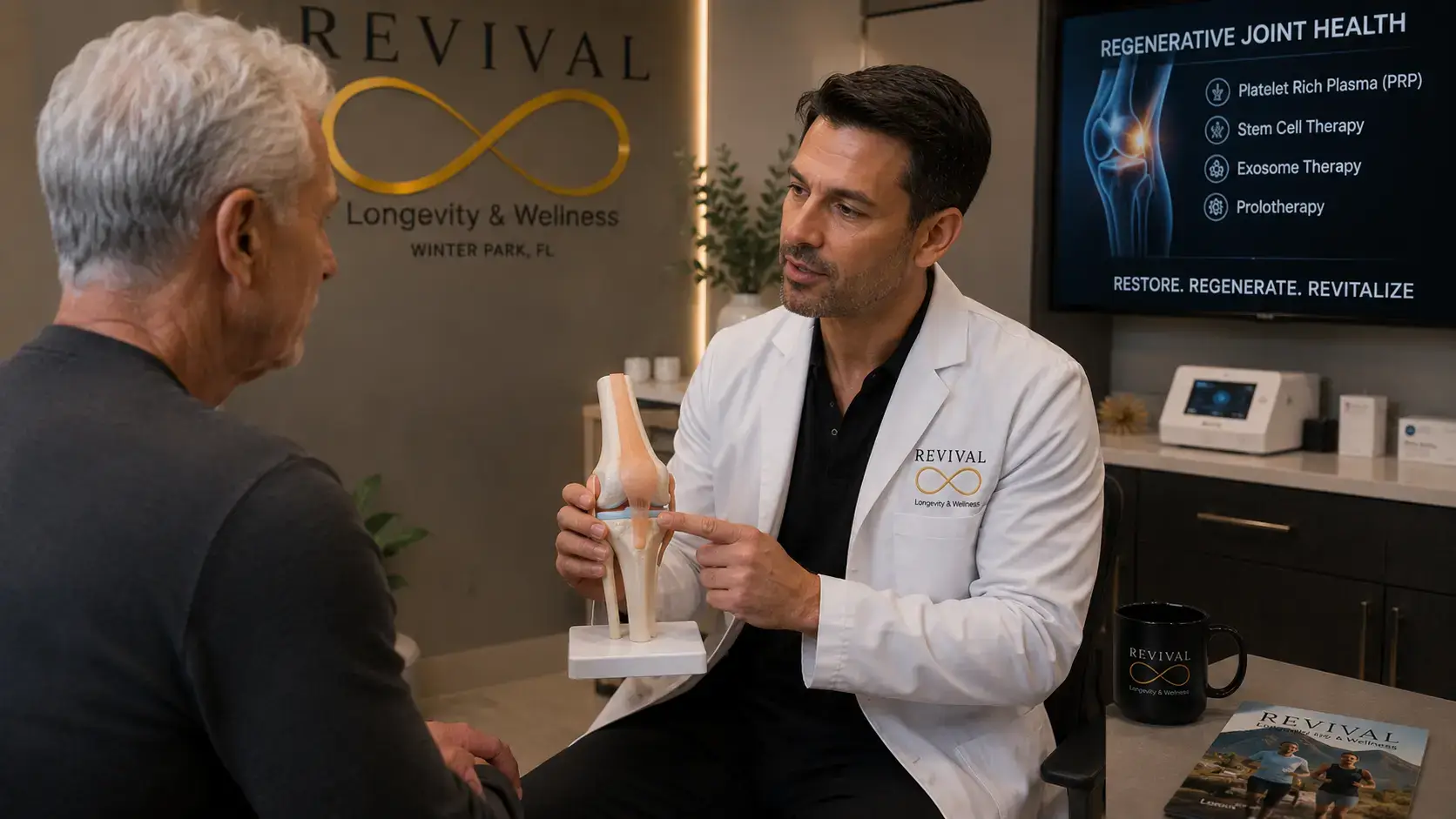
Specialized Joint Conditions and Treatments
Different joint problems require specialized approaches within regenerative medicine. Understanding how regenerative treatments apply to specific conditions helps ensure that you receive the most appropriate and effective care for your particular situation.
Knee osteoarthritis represents the most extensively studied application of regenerative joint medicine. Clinical trials have demonstrated that both PRP and stem cell therapies can provide significant improvements in pain and function for many patients with knee arthritis, particularly those in earlier stages of the disease.
Shoulder injuries and arthritis present unique challenges that benefit from specialized regenerative approaches. The complex anatomy of the shoulder joint requires precise injection techniques and treatment protocols tailored to the specific structures involved.
Chronic pain conditions that haven't responded to conventional treatments may benefit from regenerative approaches that address underlying tissue dysfunction rather than simply managing symptoms. These might include complex regional pain syndrome, chronic tendon problems, or widespread joint pain.
Hip joint problems, while less extensively studied than knee conditions, show promise for regenerative treatment in appropriate candidates. The deeper location of the hip joint requires specialized injection techniques and careful patient selection.
Sports-related injuries in active professionals can benefit from regenerative approaches that not only provide healing but also help prevent re-injury and maintain peak performance. Many professional athletes now utilize regenerative treatments to extend their careers and maintain competitive performance.
The key to successful treatment lies in matching the specific regenerative approach to the individual joint condition and patient factors. What works optimally for early-stage knee arthritis may need modification for chronic shoulder pain or acute sports injuries.
For detailed information about how regenerative medicine applies to specific joint conditions, visit our specialized treatment pages:
- Comprehensive joint restoration: revivallongevitywellness.com/services/joint-restoration - Advanced regenerative protocols: revivallongevitywellness.com/services
- Complete consultation: revivallongevitywellness.com/consultation
Safety Considerations and Realistic Expectations
Regenerative joint medicine, when performed by qualified practitioners using appropriate protocols, has an excellent safety profile with minimal risks and side effects. However, understanding both the potential benefits and limitations helps ensure realistic expectations and optimal outcomes.
Autologous regenerative treatments using your own cells and plasma carry minimal risk of adverse reactions since there's no foreign material being introduced to your body. The most common side effects are temporary discomfort at the injection site and possible mild swelling that typically resolves within days.
Infection risk is extremely low when proper sterile techniques are used, but all injection procedures carry some minimal risk that must be considered. Choosing experienced providers who follow strict safety protocols minimizes these already low risks.
Treatment effectiveness varies between individuals and conditions. While many patients experience significant improvements, regenerative treatments don't work for everyone, and results can vary based on factors like age, condition severity, and overall health status.
Timeline for improvement typically extends over months rather than days or weeks. While some patients notice early improvements within weeks, maximal benefits often develop over 3-6 months as regenerative processes continue to work.
Realistic expectations include understanding that regenerative treatments may not completely eliminate all symptoms or restore joints to perfect condition, particularly in cases of advanced damage. However, meaningful improvements in pain and function are often achievable.
Long-term outcomes from regenerative treatments continue to be studied, but current evidence suggests that benefits can last years in many patients. Some individuals may benefit from periodic repeat treatments to maintain optimal results.
For Winter Park professionals considering regenerative joint health treatments, thorough consultation and evaluation help ensure that you're a good candidate and understand what results you can reasonably expect from treatment.
The Future of Regenerative Joint Medicine
The field of regenerative joint medicine continues to evolve rapidly, with new technologies, techniques, and applications emerging from research laboratories and clinical trials around the world. Winter Park professionals who begin regenerative treatments today position themselves to benefit from future advances as they become available.
Enhanced stem cell processing techniques are improving the effectiveness and consistency of stem cell therapies. New methods for concentrating and activating stem cells may provide better outcomes with more predictable results.
Combination therapies that integrate multiple regenerative approaches show promise for enhanced effectiveness. Protocols that combine stem cells with PRP, growth factors, and other regenerative components may provide synergistic benefits.
Tissue engineering approaches using scaffolds and advanced biomaterials could eventually enable the regeneration of entire joint structures. These technologies are still largely experimental but show remarkable promise for the future.
Genetic therapies that enhance the body's natural regenerative capacity represent another frontier in joint medicine. Early research suggests that genetic modifications could boost stem cell effectiveness and tissue repair capabilities.
Personalized medicine approaches using genetic testing and biomarker analysis will likely enable more precise treatment selection and customization. Understanding individual genetic factors that influence healing could optimize regenerative treatment protocols.
Advanced imaging and monitoring technologies will improve treatment guidance and outcome assessment. Real-time imaging during procedures and sophisticated outcome tracking will enhance treatment precision and effectiveness.
Your Regenerative Joint Health Journey
Beginning your regenerative joint health journey represents an investment in maintaining the mobility, comfort, and active lifestyle that support both professional success and personal satisfaction. At Revival Longevity & Wellness in Winter Park, we provide the expertise, technology, and personalized care needed to achieve optimal outcomes.
Comprehensive evaluation begins your journey with thorough assessment of your joint condition, overall health status, goals and expectations, and lifestyle demands. This evaluation ensures that regenerative treatments are appropriate for your situation and guides selection of optimal approaches.
Treatment planning integrates clinical findings with your specific needs and preferences to develop personalized protocols that maximize effectiveness while accommodating professional and personal demands.
Ongoing support throughout your treatment journey includes monitoring progress, adjusting protocols as needed, and providing guidance for optimizing outcomes through complementary approaches.
Long-term partnership in joint health extends beyond initial treatment to include preventive strategies, maintenance protocols, and access to emerging treatments as they become available.
For Winter Park professionals who refuse to accept that joint pain and mobility limitations are inevitable consequences of aging, regenerative joint medicine offers evidence-based hope for maintaining active, pain-free lifestyles throughout extended careers and beyond.
The integration of cutting-edge regenerative treatments with comprehensive health optimization creates unprecedented opportunities for joint health maintenance and restoration. Early intervention with regenerative approaches can often prevent progression to more serious problems while maintaining the physical capability needed for continued professional and personal success.
Frequently Asked Questions
How much does stem cell therapy cost for joint pain in Winter Park?
Regenerative joint therapy costs vary based on the specific treatment protocol and areas being addressed. At Revival Longevity & Wellness, we provide transparent pricing for all regenerative options including stem cell therapy, PRP, and advanced peptide protocols. We offer comprehensive consultations to determine the most cost-effective approach for your specific joint health goals.
Is regenerative joint therapy covered by insurance?
Most regenerative joint therapies are not covered by traditional insurance plans since they're considered elective or investigational. However, many Winter Park professionals find the long-term benefits and potential to avoid surgery make regenerative therapy a worthwhile investment. We provide detailed documentation for flexible spending accounts where applicable.
How does stem cell therapy compare to joint replacement surgery?
Stem cell therapy offers a non-surgical option that may help restore natural joint function and reduce pain without the risks, recovery time, and lifestyle restrictions associated with joint replacement surgery. While not appropriate for all cases, many patients experience significant improvement that delays or eliminates the need for surgical intervention.
What conditions can regenerative joint therapy treat?
Regenerative therapy can address various joint conditions including osteoarthritis, tendon injuries, ligament damage, cartilage degeneration, and chronic joint pain. Our comprehensive evaluation determines whether regenerative approaches are appropriate for your specific condition and goals.
How long does recovery take after regenerative joint treatment?
Recovery varies by treatment type and individual response. Many patients return to normal activities within days of PRP or stem cell therapy, though optimal healing may take several months. Unlike surgery, most regenerative treatments allow you to maintain your professional schedule with minimal disruption.
What's the success rate of regenerative joint therapy?
Success rates vary by condition, treatment type, and individual factors. Many patients experience significant pain reduction and improved function, though individual results can't be guaranteed. We provide realistic expectations based on current research and our clinical experience during your consultation.
Can I continue exercising during regenerative joint treatment?
Exercise protocols are tailored to your specific treatment and recovery needs. Most patients can continue modified exercise routines, and we often provide specific rehabilitation exercises to optimize healing and results. Maintaining appropriate activity levels often enhances regenerative outcomes.
How is Revival's regenerative approach different from other clinics?
Revival Longevity & Wellness integrates regenerative joint therapy with comprehensive health optimization including hormone balance, nutrition support, and systemic inflammation reduction. This holistic approach often provides superior results compared to isolated joint treatments.
Ready to explore how regenerative joint medicine can address your joint health concerns and support your active lifestyle? Contact Revival Longevity & Wellness to schedule your comprehensive joint health evaluation and discover the regenerative treatments that can help you maintain mobility and comfort for years to come.
For comprehensive information about regenerative medicine and our complete approach to joint health optimization, read our detailed service information at https://revivallongevitywellness.com/services/joint-restoration/.
