TRT vs BHRT: Choosing the Right Hormone Therapy in Winter Park
When Winter Park professionals first discover that their energy, mental clarity, and physical vitality issues might be related to hormone deficiency, they often face a confusing alphabet soup of treatment options: TRT, BHRT, HRT, and various delivery methods that each claim to be superior.
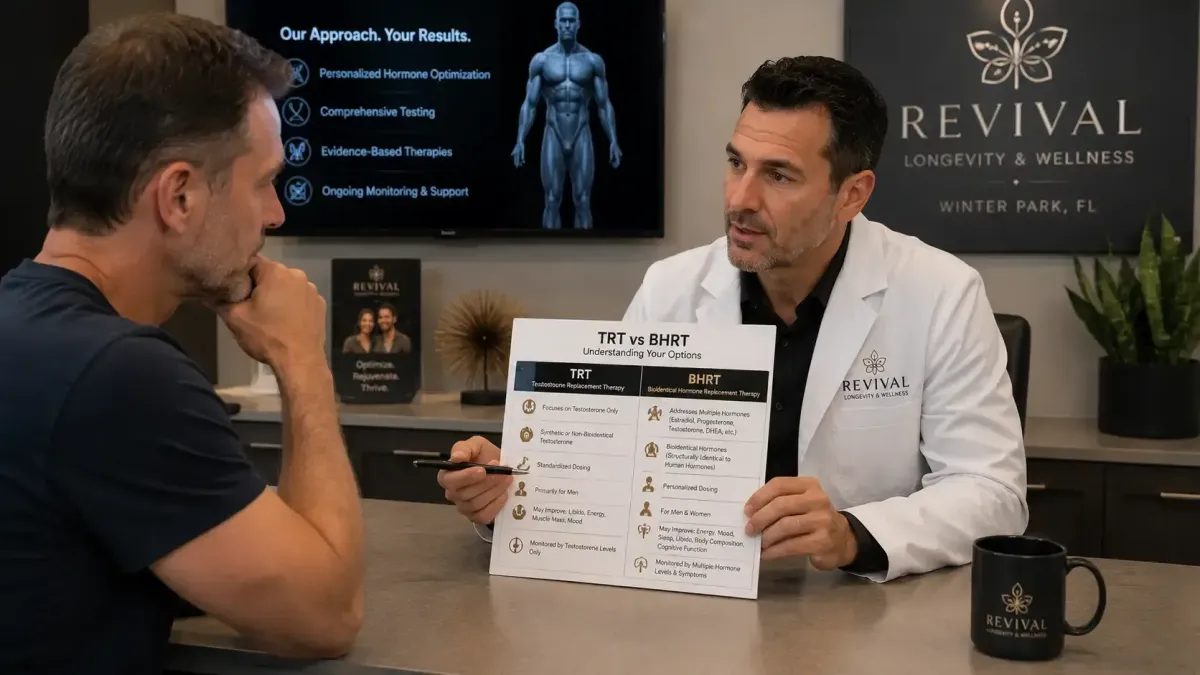
The truth is that both Testosterone Replacement Therapy (TRT) and Bioidentical Hormone Replacement Therapy (BHRT) can be highly effective when properly prescribed and monitored. The best choice for your situation depends on your specific symptoms, medical history, lifestyle, and treatment goals.
At Revival Longevity & Wellness, we've helped hundreds of Winter Park professionals navigate these options to find the approach that works best for their individual needs. Understanding the difference isn't just academic — it affects your treatment experience, monitoring requirements, cost considerations, and long-term outcomes.
What is TRT (Testosterone Replacement Therapy)?
TRT specifically focuses on replacing testosterone that your body is no longer producing in optimal amounts. This approach addresses the gradual decline in testosterone that affects virtually all men as they age, typically beginning around age 30 and accelerating after 40.
According to research from the National Institute on Aging, men with low testosterone who received testosterone therapy showed significant improvements in sexual function and modest improvements in mood and depressive symptoms in large-scale clinical trials: https://www.nia.nih.gov/news/nih-supported-trials-test-hormonal-therapy-older-men-low-testosterone-levels
TRT uses bioidentical testosterone — meaning it's molecularly identical to what your body produces naturally — but focuses specifically on optimizing this single hormone rather than addressing multiple hormone systems simultaneously. Learn more about TRT options at revivallongevitywellness.com/services/sexual-health-wellness.
TRT Delivery Methods and Considerations
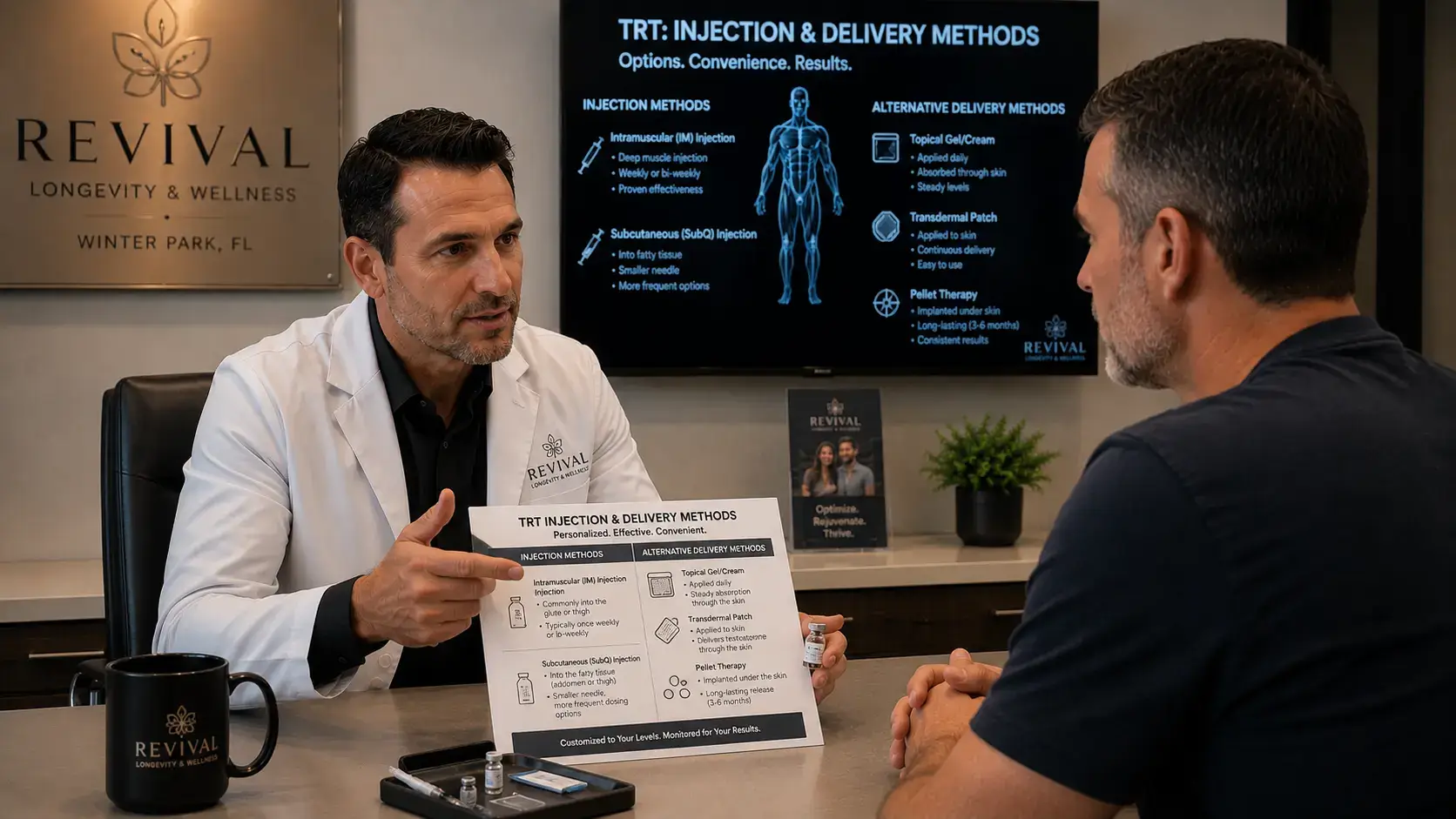
Injections remain the most popular and cost-effective delivery method for most Winter Park professionals. Weekly or bi-weekly injections provide consistent blood levels with the convenience of less frequent dosing. Most men prefer this method for its reliability, predictable results, and lower cost compared to other delivery options.
Topical gels or creams offer daily control over hormone administration. Applied to the skin each morning, they provide steady hormone absorption without the peaks and valleys that can occur with less frequent dosing. This method appeals to men who prefer daily management of their treatment and want to avoid injections.
Pellets represent the most convenient option for busy professionals. These tiny implants are inserted under the skin every 3-4 months and provide the most consistent blood levels with minimal daily management. The convenience factor makes pellets ideal for executives who travel frequently or prefer not to think about their hormone therapy on a daily basis.
Each delivery method has specific advantages and considerations. Injections offer the best cost-effectiveness and flexibility for dosing adjustments. Gels provide steady daily dosing but require consistent application and consideration of skin-to-skin transfer. Pellets offer maximum convenience but less flexibility for dosing changes and require minor procedures for insertion.
Understanding BHRT (Bioidentical Hormone Replacement Therapy)
BHRT takes a broader approach to hormone optimization, typically addressing multiple hormone systems that influence how you feel and function. While BHRT can include testosterone replacement, it often encompasses other hormones like estrogen, progesterone, DHEA, thyroid hormones, and growth hormone peptides.
Research published in PubMed shows that bioidentical hormone therapy can be an effective, well-tolerated treatment for hormonal symptoms, with the advantage of using hormones that are structurally identical to those produced naturally by the human body: https://pubmed.ncbi.nlm.nih.gov/21531972/
This approach recognizes that hormone systems work together in complex ways, and optimizing one hormone while ignoring others might not address all of your symptoms or provide the best possible outcomes. Explore our comprehensive BHRT services at revivallongevitywellness.com.
BHRT's Comprehensive Approach
Multiple hormone deficiencies often occur simultaneously in people over 40. BHRT can address testosterone, thyroid, adrenal, and growth hormone deficiencies comprehensively rather than treating each system in isolation. This approach often produces more complete symptom resolution than single-hormone replacement.
Hormone balance and ratios matter as much as individual levels in many cases. The relationship between testosterone and estrogen, for instance, can affect how you feel regardless of whether your testosterone level is technically optimal. BHRT focuses on achieving proper balance between different hormones, not just raising individual levels to target ranges.
Individual customization represents a cornerstone of effective BHRT protocols. Rather than using standard formulations, BHRT often involves specific combinations created based on your unique hormone panel results, symptoms, and treatment response. This personalized approach can address complex hormone patterns that don't respond well to single-hormone treatments.
Supportive nutrients and peptides often complement BHRT protocols. Growth hormone-releasing peptides, for instance, can stimulate your body's natural growth hormone production to support muscle mass, cognitive function, and recovery. These additions can enhance the benefits of hormone replacement without requiring direct hormone administration.
Key Differences That Impact Your Decision
Scope of treatment represents the fundamental difference between these approaches. TRT focuses specifically on testosterone optimization, while BHRT may address multiple hormone systems simultaneously. If your symptoms are primarily related to low testosterone and other hormone levels appear adequate, TRT might be sufficient. If you're dealing with multiple hormone deficiencies or complex symptoms that suggest broader hormonal imbalances, BHRT might be more appropriate.
Monitoring complexity varies significantly between approaches. TRT requires monitoring testosterone levels, estradiol conversion, blood cell counts, and prostate health markers. BHRT typically requires more comprehensive monitoring since multiple hormones are being optimized simultaneously. This increased monitoring ensures safety but also requires more frequent lab work and medical oversight.
Treatment timeline differs between the two approaches. TRT often produces noticeable improvements in energy and mental clarity within 2-4 weeks, with full benefits developing over 3-6 months. BHRT may take longer to optimize since multiple hormones must be balanced properly, but can address a broader range of symptoms once the optimal combination is achieved.
Cost considerations favor TRT for single-hormone deficiency situations. TRT is typically less expensive since it focuses on testosterone replacement alone. BHRT costs more due to the complexity of multiple hormone optimization, more extensive monitoring requirements, and often more frequent medical consultations during the optimization phase.
Clinical Evidence and Safety Profiles
Both approaches have substantial clinical support, but the research differs in scope and focus. The NIH Testosterone Trials specifically studied testosterone replacement in older men and demonstrated clear benefits for sexual function and mood when testosterone levels were optimized: https://pubmed.ncbi.nlm.nih.gov/26886521/
BHRT research focuses more on comprehensive hormone balance and quality of life improvements. Studies show that bioidentical hormones can effectively address symptoms of hormone deficiency while maintaining safety profiles similar to or better than synthetic hormone alternatives.
The key insight from both research approaches is that hormone optimization — whether focused on testosterone alone or multiple hormones — can significantly improve quality of life when properly implemented and monitored by experienced physicians.
Safety profiles for both approaches are excellent when proper monitoring protocols are followed. TRT safety concerns focus primarily on cardiovascular health, prostate monitoring, and blood cell count management. BHRT safety monitoring encompasses these areas plus additional considerations related to the specific hormones being optimized.
Choosing the Right Approach for Your Situation
Individual symptom patterns often guide the decision between TRT and BHRT. Consider TRT if your primary symptoms relate to energy, mental clarity, muscle mass, and sexual function, and your hormone panel shows low testosterone with relatively normal levels of other hormones. TRT is also often the right starting point if you prefer a focused, straightforward approach to hormone optimization.
Consider BHRT if you're experiencing multiple symptoms that suggest several hormone deficiencies, your lab work shows suboptimal levels of multiple hormones, or you haven't achieved optimal results with single-hormone approaches in the past. BHRT is also often appropriate for women dealing with perimenopause or menopause symptoms, or for men with complex hormone patterns.
Personal preferences and lifestyle factors also influence the decision. Some people prefer the simplicity and lower cost of TRT, while others value the comprehensive approach of BHRT despite its higher complexity and cost. Your schedule, travel patterns, and comfort level with more intensive monitoring may affect which approach fits better with your lifestyle.
Many patients start with one approach and evolve their treatment over time based on results and changing health goals. Neither choice locks you into a permanent treatment path, and experienced physicians can help you transition between approaches as your needs change.
The Revival Approach to Your Decision
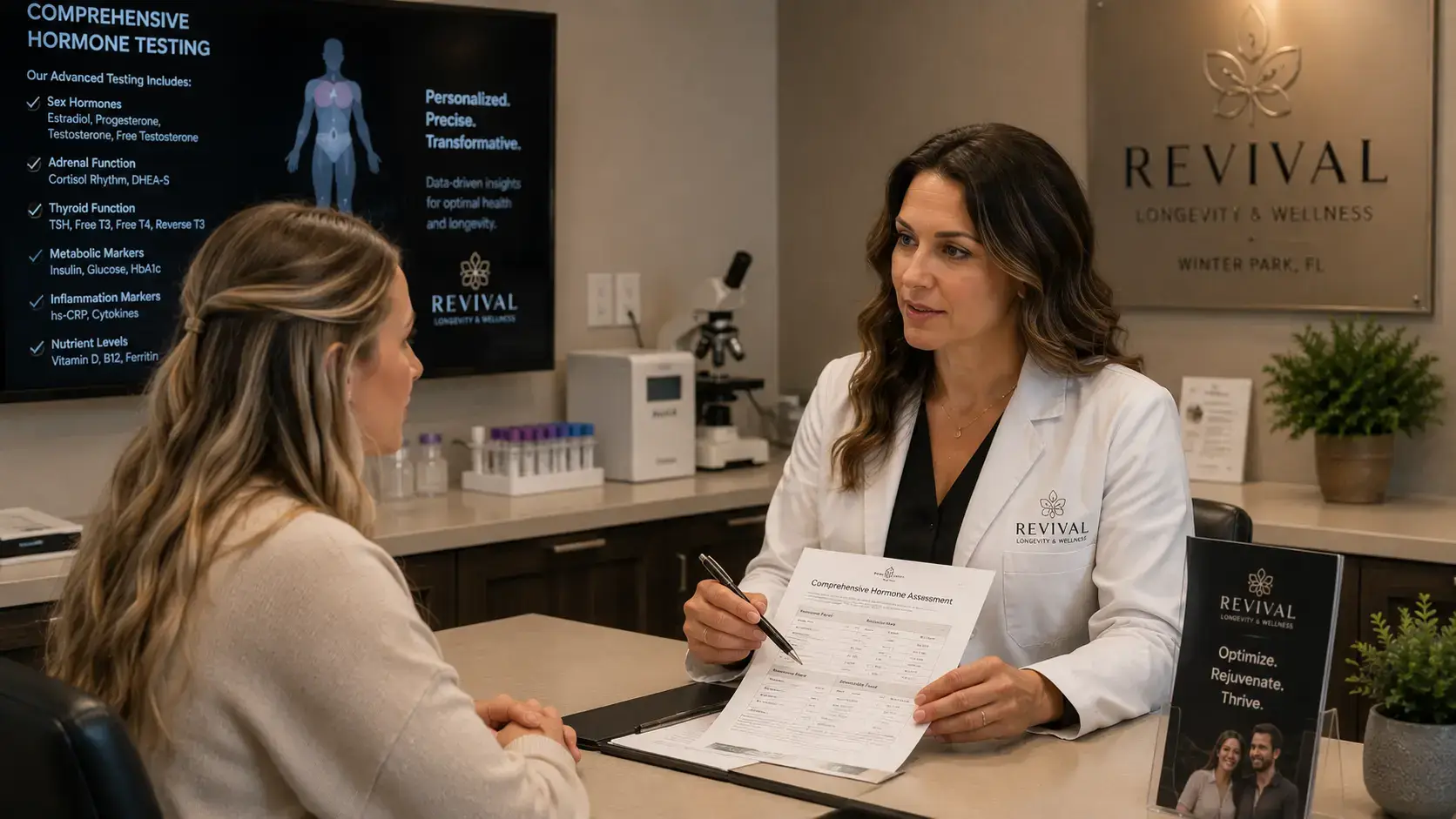
At Revival Longevity & Wellness, we don't advocate for TRT or BHRT based on philosophical preferences or practice limitations. Instead, we start with comprehensive hormone testing, detailed symptom assessment, and an understanding of your lifestyle and health goals.
Our decision-making process prioritizes what's most likely to help you achieve the energy, mental clarity, physical vitality, and overall well-being you're seeking, whether that's focused testosterone optimization or comprehensive hormone balance. Schedule your consultation at revivallongevitywellness.com/consultation.
We also recognize that your needs may evolve over time. The treatment approach that's right for you at 45 might need adjustment as you move through your 50s and beyond. We're committed to optimizing your treatment based on how you respond and how your health goals change over time.
Making Your Decision
The choice between TRT and BHRT isn't about finding the "best" approach — it's about finding the approach that best addresses your specific situation and goals. Both can be highly effective when properly implemented, and both require ongoing medical supervision to ensure optimal results and safety.
The most important factor is working with a physician who understands both approaches and can help you make an informed decision based on your individual needs rather than pushing a preferred treatment philosophy.
Frequently Asked Questions
Are bioidentical hormones really safer than synthetic hormones?
Bioidentical hormones are chemically identical to your body's natural hormones, which typically results in better tolerance, fewer side effects, and more natural physiological responses compared to synthetic alternatives. However, safety ultimately depends on proper dosing, monitoring, and medical oversight regardless of hormone type.
How much do bioidentical hormones cost compared to synthetic options?
While bioidentical hormones may have higher upfront costs compared to some synthetic options, many patients find them more cost-effective long-term due to better results and fewer side effects requiring additional treatments. We provide transparent pricing and discuss all options during consultation.
Can I switch from synthetic to bioidentical hormones?
Switching from synthetic to bioidentical hormones is often possible and may provide improved tolerance and results. This transition requires careful medical supervision to ensure proper dosing and monitoring throughout the conversion process.
How are bioidentical hormones customized to my needs?
Bioidentical hormone protocols are customized based on comprehensive testing of your current hormone levels, symptoms, medical history, and treatment goals. This personalized approach allows for precise dosing and formulations that match your individual physiological needs.
Do bioidentical hormones require special monitoring?
All hormone therapies require regular monitoring to ensure safety and effectiveness. Bioidentical hormones may actually require less frequent adjustments due to their natural compatibility with your body's receptors and metabolism.
Where do bioidentical hormones come from?
Bioidentical hormones are derived from plant sources and then molecularly modified in specialized compounding pharmacies to be chemically identical to human hormones. This process creates hormones that your body recognizes and processes as its own.
Can men use bioidentical hormone therapy?
Absolutely. Bioidentical hormone therapy is highly effective for men experiencing low testosterone, growth hormone decline, or other age-related hormonal changes. Many Winter Park male executives choose bioidentical options for their superior tolerance and natural effects.
Ready to find out which approach might work best for your situation? Contact Revival Longevity & Wellness to schedule your comprehensive hormone evaluation. We'll help you understand your options and choose the treatment approach that's most likely to help you feel like yourself again.
For more comprehensive information about hormone therapy options, read our complete guide to hormone therapy in Winter Park: https://revivallongevitywellness.com/post/hormone-therapy-winter-park-professional-guide
